Ever thought if the digital figures on your screen are real or just a sophisticated illusion? With technology racing ahead, the difference between real and fake images is getting smaller.
Now, adult media is made differently. New tools create images that look real, something thought impossible before.
This guide is your comprehensive roadmap through this new world. We’ll show you 10 different styles to understand what these platforms can do. By checking out these free ai porn content examples, you’ll learn to make your own digital fantasies easily.
Key Takeaways
- Artificial intelligence has evolved from basic experiments into high-fidelity creative tools.
- Modern synthetic media now features realistic textures and human-like expressions.
- Users can leverage these platforms to generate highly personalized adult imagery.
- Understanding current technical limitations helps in achieving better artistic results.
- This guide provides a practical look at the diverse range of available digital tools.
Understanding the Landscape of Free AI Porn Content Examples
Exploring free ai porn content examples needs a sharp eye and knowledge of new tech. The field is changing fast, moving from early, distorted images to more realistic ones.
Now, you can find images that look almost as good as real photos. Developers keep improving their models to make human features look real, not fake.
“The future of digital creativity lies in the seamless blend of human intent and machine precision, where the boundaries of reality become increasingly fluid.”
To find the best platforms, you must understand this changing world. By looking at different free ai porn content examples, you can spot quality images from those that are not as good.
New tech has made it easier for beginners to create great content. You don’t need to know a lot about computers to make amazing images. With the right tools, anyone can achieve results that were once thought impossible.
Setting Up Your Environment for AI Content Generation
Getting your digital workspace ready is key to mastering AI-generated images. The platform you choose affects how much control you have over your work. Whether you’re new or experienced, setting up your digital gallery early saves a lot of time.
Selecting the Right Web-Based AI Platforms
AI tools come in two types: prompt-based and menu-based. Prompt-based systems let you describe scenes in your own words. They’re great for those who want full control over their images.
Menu-based systems, on the other hand, are simpler. You pick things like hair color and clothes from lists. This is highly efficient for getting consistent results without writing a lot.
“The best tool is the one that bridges the gap between your imagination and the final visual result.”
Configuring Your User Profile for Personalized Results
After picking a platform, set up your user profile. Most tools let you save default settings for characters and scenes. This keeps your gallery consistent over time.
Here are key steps for setting up your profile:
- Define your aesthetic: Save your favorite art styles or lighting in your settings.
- Organize your workspace: Use folders or tags to keep your images easy to find.
- Set safety filters: Adjust content moderation to fit your comfort level.
Spending time on these settings makes your AI environment personal. This lets the AI understand your vision every time you generate an image.
Photorealistic Human Portraits and Character Consistency
You can turn simple prompts into amazing, realistic characters by learning about lighting and texture. Making a compelling visual narrative means controlling every pixel. This guide will help you go beyond basic faces to create unique, memorable characters.
Achieving Skin Texture and Lighting Realism
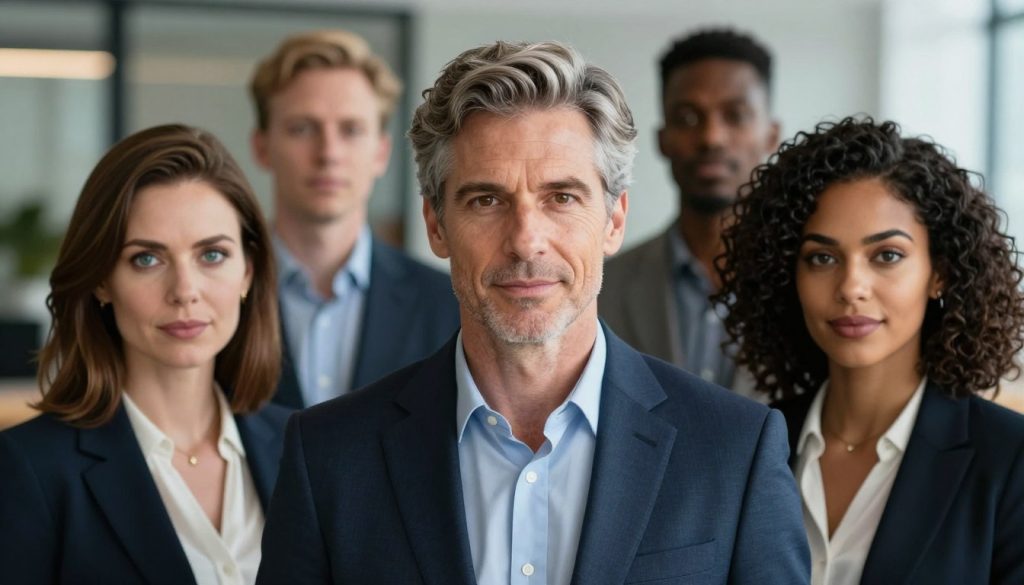
Photorealism is about how AI models handle complex details like subsurface scattering and ambient occlusion. To get high-quality skin textures, give prompts that mention lighting, like “soft studio lighting” or “golden hour sunlight.” These details help the model get shadows and highlights right.
Don’t be shy to try different physical traits to build your gallery of characters. Whether you’re making humans, cyborgs, or fantasy figures, anatomy is key. Consistent anatomical proportions are essential for believable portraits.
Maintaining Character Identity Across Multiple Generations
Keeping a character looking the same in different scenes can be tough. Use fixed seed numbers or specific character LoRA models to keep facial features consistent. This way, your character looks the same no matter the pose or setting.
Building a consistent showcase of images makes your content look professional. By making your prompts detailed, your characters stay recognizable. This level of detail makes your gallery truly engaging.
Stylized Anime and Manga Inspired Adult Imagery
AI technology opens up a world of stylized anime and manga aesthetics. You can move from realistic portraits to Japanese animation easily with AI tools. This lets you explore creative boundaries that regular photography can’t.
To capture these styles, you need to know how to use classic artistic elements in your prompts. We will showcase how these techniques turn simple inputs into stunning visual art.
Adapting Traditional Art Styles to AI Models
Adapting traditional art styles means focusing on line weight, color, and shading. Anime uses exaggerated features and bold lines to show emotion. Use keywords like “cel-shaded,” “vibrant color palette,” and “manga ink style” to guide the model.
When making prompts, remember to include these elements for consistency:
- Line Art: Use terms like “sharp outlines” or “vector style” for character edges.
- Shading: Choose “cel-shading” or “soft gradient” for light depth.
- Proportions: Use “anime style” to adjust eye size and facial structure.
Using Specific LoRA Models for Anime Aesthetics
Low-Rank Adaptation, or LoRA, is great for adding specific styles to your models. These small files help keep a consistent look across different poses and scenarios. Using a LoRA trained on high-quality hentai or anime ensures your output looks professional.
“The beauty of AI art lies in the ability to merge human creativity with machine precision, allowing for endless stylistic evolution.”
Here’s a comparison of common stylistic methods to help you choose:
| Method | Best For | Complexity |
|---|---|---|
| Prompt Engineering | General style shifts | Low |
| LoRA Models | Consistent character looks | Medium |
| ControlNet | Complex poses | High |
Remember, balancing stylized elements with adult themes is crucial for quality. Start by testing different LoRA weights to find the right intensity for your project. This process will help you refine your unique visual style.
Exploring Artistic and Abstract AI Generated Concepts
Artificial intelligence is a great place to mix traditional art with adult themes. It lets you go beyond what cameras can do. This opens up a limitless creative potential that’s only in your mind.
You can make images that cameras can’t capture. This freedom lets you play with abstract concepts and tell unique stories through pictures.
Experimenting with Surrealist Visual Elements
Surrealism is all about making the familiar strange. You can ask your AI to add weird objects, twisted landscapes, or impossible physics. This creates a truly captivating atmosphere.
These surreal touches make your images deep and engaging. By messing with space and time, you turn a simple picture into a thought-provoking piece of art.
Blending Digital Art Styles with Adult Themes
You can mix your adult content with the look of fine art. By using special style options, your images can look like classic paintings, delicate watercolors, or bold sketches.
This mix makes your content stand out. Playing with different textures lets you create a collection that shows off your unique style and creative preferences.
Dynamic Action Scenes and Complex Composition
Exploring beyond simple portraits opens up the world of AI-generated storytelling. You can create a stunning gallery filled with high-energy moments. To do this, you need to be more specific about your vision to the model.
Structuring Prompts for Multi-Character Interaction
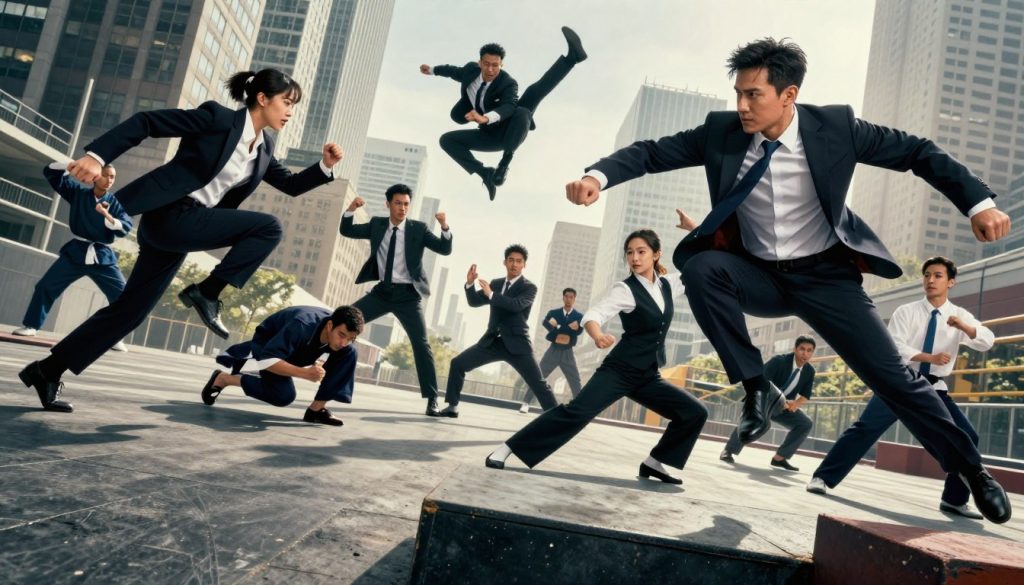
Creating scenes with multiple subjects needs clear instructions on their positions. You must tell the AI where each character is and how they interact. Specificity is key to avoid confusion.
Use words like “side-by-side,” “facing each other,” or “in the background” to place your subjects. This helps create a clear story in your digital gallery. Make sure your main subject stands out from the rest.
Managing Perspective and Camera Angles
Perspective is crucial for depth and immersion in your images. Choosing camera angles changes how the viewer sees the scene. A low-angle shot can make a character seem powerful, while a high-angle view can show vulnerability.
Try different lens angles to change the mood of your images. These choices help you build a diverse gallery that shows your skill. Mixing these angles with movement makes your images feel more real and professional.
Customizing Character Attributes and Physical Features
Creating characters is all about precision. You can make them exactly as you imagine. This control makes sure every character is perfectly aligned with your creative goals.
Fine-Tuning Body Proportions and Details
To create a specific character, focus on their structure. Most AI platforms let you adjust height, muscle, and facial symmetry. By carefully tweaking these, you can change a character’s look.
Don’t forget about small details like eye color, hair texture, and skin tone. These details are key to your character’s identity. Consistency in these traits makes your character feel real and unique.
Implementing Clothing and Accessory Variations
Changing your character’s clothes can change the scene’s mood. You can choose from professional, casual, or elaborate outfits. The right clothes give important clues about the story.
Accessories like jewelry, glasses, or hats also shape your character’s personality. They help place your character in a specific time or place. Strategic use of accessories lets you create a wide range of unique characters.
Utilizing Negative Prompts to Refine Your Results
Getting the right results from AI generation often depends on what you tell it not to include. Positive prompts guide the direction, but negative prompts act as a filter. They help shape your digital canvas.
By telling the model what to avoid, you get greater control over the output. This is key to transforming raw, unpredictable creations into polished, high-quality visuals. These visuals must meet your exact standards.
Removing Artifacts and Anatomical Errors
AI art often has anatomical mistakes, like extra fingers or distorted limbs. These errors happen because the model finds it hard to understand complex poses in one go.
To fix these issues, add specific terms to your negative prompt field. Use words like extra fingers, malformed hands, fused limbs, and missing digits. This tells the algorithm to focus on getting the body right.
By consistently excluding these errors, the model learns to avoid them. Over time, you’ll see less need for manual editing or heavy post-processing.
Improving Image Clarity Through Exclusionary Keywords
Negative prompts are also great for improving image clarity. If your images are blurry, pixelated, or noisy, use exclusionary keywords to sharpen them.
Words like low resolution, blurry, out of focus, and jpeg artifacts help the AI avoid poor quality. This encourages it to produce images with better textures and cleaner lines.
By using these keywords regularly, your images will look professional. The table below shows how different negative prompts can improve your generation quality.
| Category | Common Keywords | Primary Benefit |
|---|---|---|
| Anatomy | Extra fingers, fused limbs, distorted face | Fixes structural errors |
| Quality | Blurry, low res, pixelated, noisy | Increases visual sharpness |
| Style | Cartoon, sketch, watermark, text | Ensures stylistic consistency |
Managing Ethical Considerations and Platform Safety
Working with AI-generated images means you must follow strict ethical and safety rules. It’s important to know the legal and moral limits of digital content creation. Responsible usage helps keep your creative work both productive and respectful.
Understanding Content Moderation Policies
Good AI platforms have strict rules to stop harmful or unwanted content. These rules help keep everyone safe and protect individual rights. Always check these rules before starting to create images.
Legal rules are also changing to stop technology misuse. For example, the TAKE IT DOWN act in the U.S. stops sharing intimate images without consent. Following these rules and laws helps avoid legal trouble and keeps the internet safer.
Protecting Your Privacy While Using Public Tools
Your privacy is crucial when using public AI tools. These tools might keep your prompts and images to get better at their job. But, this could risk your personal info. Be careful with the data you share.
To protect your privacy, follow these tips:
- Avoid sharing personal identifiers or real names in your prompts.
- Use a dedicated email address for signing up for AI services.
- Review the privacy policy to see if you can opt out of data training.
- Delete your account history periodically if the platform allows it.
Here’s a table with important safety features to look for in AI platforms:
| Feature | Standard Protection | Enhanced Privacy |
|---|---|---|
| Data Logging | Stored for training | No data retention |
| Content Filters | Basic keyword blocks | Advanced AI moderation |
| User Anonymity | Public profile | Private/Incognito mode |
Knowing about these ethical issues lets you use AI technology safely and responsibly. Prioritizing security helps you focus on your creative goals without risking your online safety.
Advanced Techniques for High-Resolution Upscaling
High-resolution upscaling connects a raw AI sketch to a polished visual asset. Even the most impressive AI images need a final touch to meet professional standards. By using specific post-processing workflows, you can turn standard outputs into stunning, high-definition media.
Enhancing Image Quality Post-Generation
The main goal of post-generation processing is to boost pixel density without adding artifacts. Many AI models create images at lower resolutions to save time and memory. Upscaling algorithms let you enlarge these images while smartly filling in missing data to keep them clear.
It’s important to keep the original composition’s integrity during this process. Good upscaling keeps the fine textures and lighting nuances of your character designs. This step is key if you plan to show your work on big screens or high-resolution monitors.
Tools for Sharpening Details and Reducing Noise
After increasing the resolution, you might see digital noise or blurring in complex areas. Special software tools are made to sharpen these details and remove unwanted grain. Using these apps ensures your final image is crisp, clear, and professional.
Popular tools for this job include AI-powered denoisers and sharpening filters in modern image editors. These tools look at the image to tell apart intentional artistic details from unwanted digital artifacts. By applying these filters with care, you can get a clean finish that showcases the best of your AI-generated content.
Conclusion
You now have the tools to explore the vast world of AI-driven adult content generation. You can create detailed prompts and improve visual outputs. This lets you build a library that fits your creative vision perfectly.
Platforms like Stable Diffusion and Midjourney open up endless possibilities. You can turn simple ideas into complex, story-driven scenes. This guide has shown you how to do it.
Your journey needs a mix of technical skills and personal responsibility. Always keep your digital safety in mind and follow the ethical rules of the tools you use. Keeping your privacy is key to your experience in this digital world.
Use these skills to start creating your own unique images today. Your artistic potential grows with every prompt you refine and every model you try. Enjoy bringing your imagination to life with modern technology.
Where can I find the best free ai porn examples for inspiration?
Check out Civitai and Tensor.art for a huge gallery of user-generated content. These sites show you the prompts and models used to create specific images.
How do I maintain character consistency across my gallery?
Use a LoRA (Low-Rank Adaptation) to keep a character looking the same. Apply a specific LoRA weight in tools like Stable Diffusion to ensure consistent facial features and body type.
What are negative prompts and why are they important?
Negative prompts are keywords that tell the AI what not to include. They’re key for removing unwanted artifacts, ensuring your images look professional and clean.
Is it possible to create high-resolution images without a powerful computer?
Yes, web-based services like SeaArt.ai or Google Colab can run powerful models in the cloud. They often include upscalers for high-resolution images without needing expensive hardware.
Are there specific models better suited for anime versus photorealism?
Absolutely. For photorealism, RealVisXL is recommended. For anime and manga, Pony Diffusion V6 XL is the top choice for high-quality adult anime content.
How can I ensure my privacy while generating AI content?
Always check the privacy policy of the platform you use. Running Stable Diffusion locally on your machine keeps your prompts and images private.
What is the best way to handle multi-character scenes?
Multi-character scenes need careful planning. Use “Regional Prompter” extensions or specific positioning keywords to help the AI understand the scene. This ensures your dynamic scenes look great.